
Murano Glass: A Historical and Technical Reader · Episode 4 of 6
Murano Glass, Part IV: Guilds, Labour and the Furnace
The history of Murano glass is also a history of organised labour. Glass emerged from teams, specialised skills, furnace schedules, commercial rules and family networks. The surviving record is uneven: statutes and commercial documents preserve some voices far more clearly than others. Reading production through that imbalance helps explain both the craft’s sophistication and the people whose work sustained it.
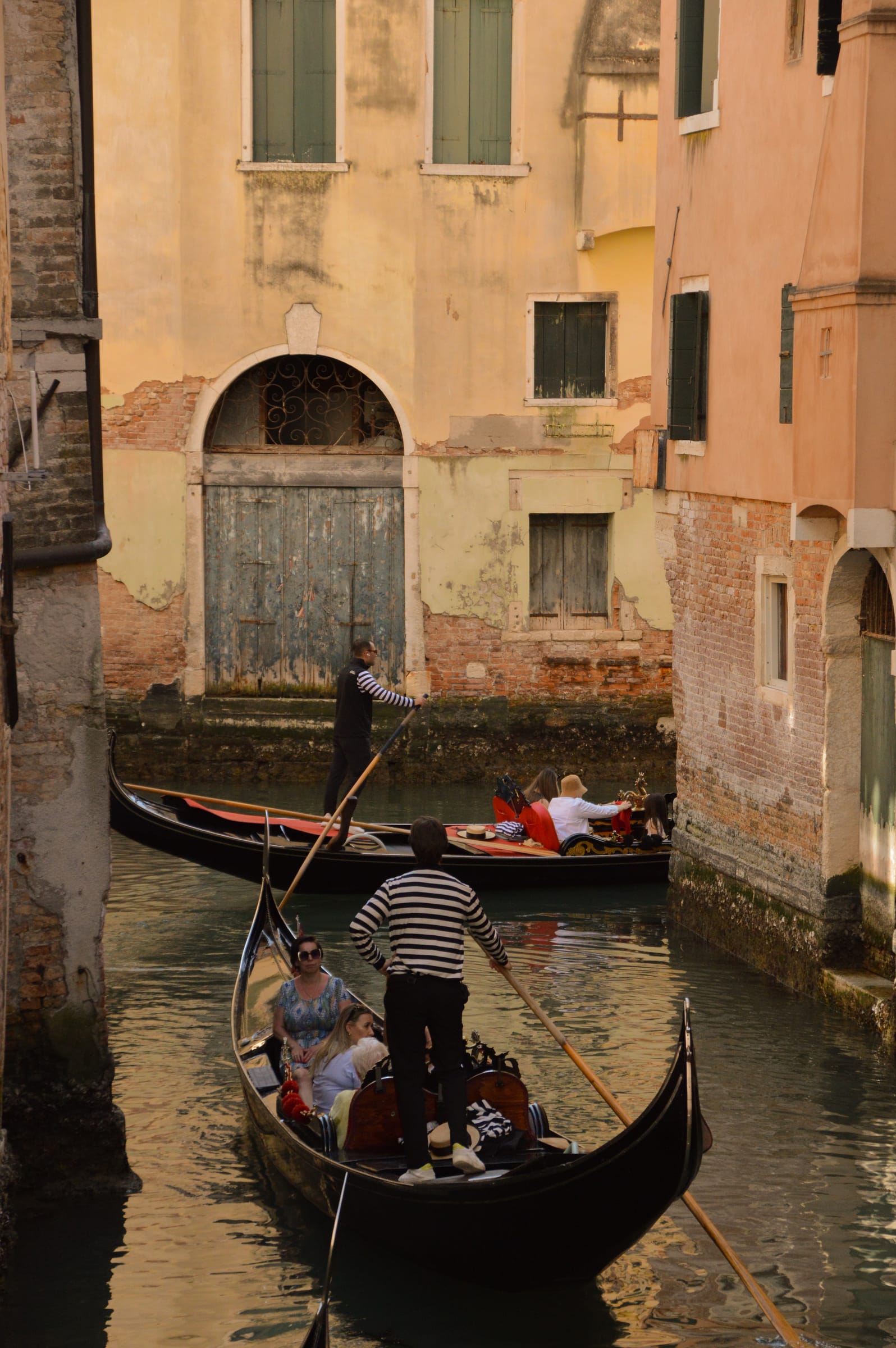
A furnace was a team, not a lone artisan
A finished vessel may bear the name of a master glassmaker, but its production relied on coordinated hands. Heating, gathering, shaping, reheating, preparing tools and maintaining the furnace demanded different tasks and a shared sense of timing. In Glassmaking in Renaissance Venice, historian W. Patrick McCray studies glass as a fragile craft whose technical choices were tied to markets, regulation and the organisation of work. The object is evidence of skill; it is not a complete record of everyone who helped make it.
Guild rules, knowledge and control
Venetian authorities and craft institutions sought to regulate who could practise, how work was organised and how technical knowledge circulated. These arrangements could protect specialised knowledge and market position, while also setting limits on workers’ mobility and commercial activity. They must be read historically: statutes, privileges and enforcement shifted across centuries, and a rule on paper does not prove that every workshop followed it exactly.
Francesca Trivellato’s specialist study Fondamenta dei vetrai examines labour, technology and markets in Venice between the seventeenth and eighteenth centuries. Its scope is a useful corrective to a story told only through celebrated inventions: workshop knowledge belonged to a social and economic world, shaped by relationships between workers, merchants and institutions.
Who appears in the archive?
Official records preserve masters, guilds and commercial transactions especially well. They can tell us less about informal assistance, household labour or workers whose names did not enter the same records. The Museum’s glassmaking glossary includes the term gastaldo for a guild officer, a reminder that craft vocabulary also records institutional roles. It does not, by itself, describe the whole workforce.
Bead production opens a wider view. Pierre Niccolò Sofia’s archival study of eighteenth-century Venetian bead trade draws on trade registers and manifests to follow routes, firms and export values. The Museum also describes women’s significant presence in bead work and design during the later crisis of blown glass. These accounts concern different evidence and periods, so they should be set alongside one another rather than flattened into a timeless picture of women’s work.
A local craft in global systems
Beads travelled far beyond the lagoon. Sofia’s study connects some Venetian export routes to Atlantic commercial systems that included the slave trade. That context matters, but it does not mean every bead had the same destination or function, or that beads can simply be described as “currency.” Specific claims need to remain tied to the surviving records and the particular route under discussion.
Looking at labour changes how we read an object: technique depends on trained people, social organisation and movement of materials. In the next episode we follow one product through these networks in more detail, tracing Venetian glass beads and their global trade. For the techniques themselves, return to episode three, or revisit episode one and the island’s longer history.
Glass made for wearing and keeping

Azure Lagoon Bracelet
80,00 €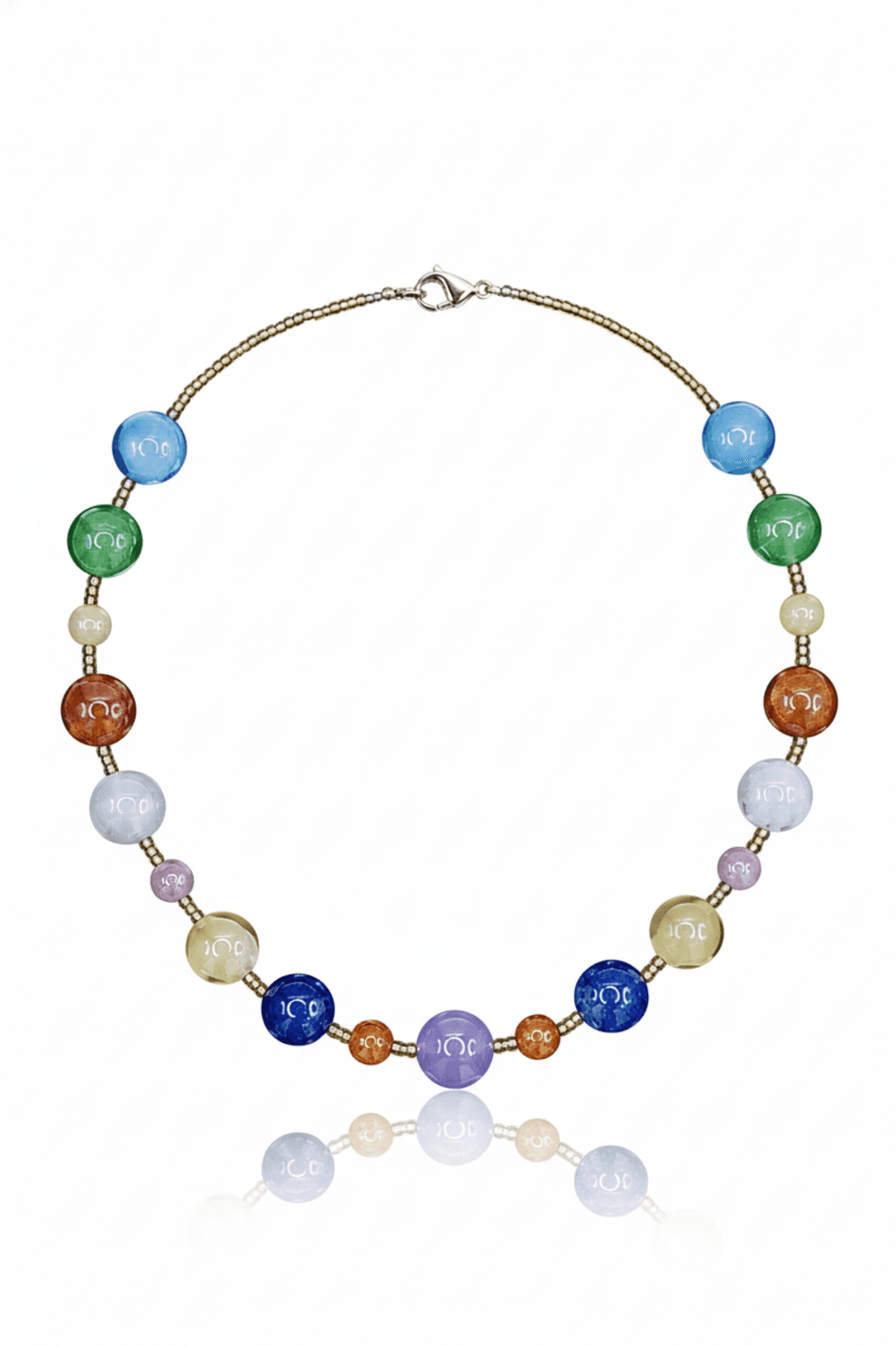
Mixed Gems Necklace
120,00 €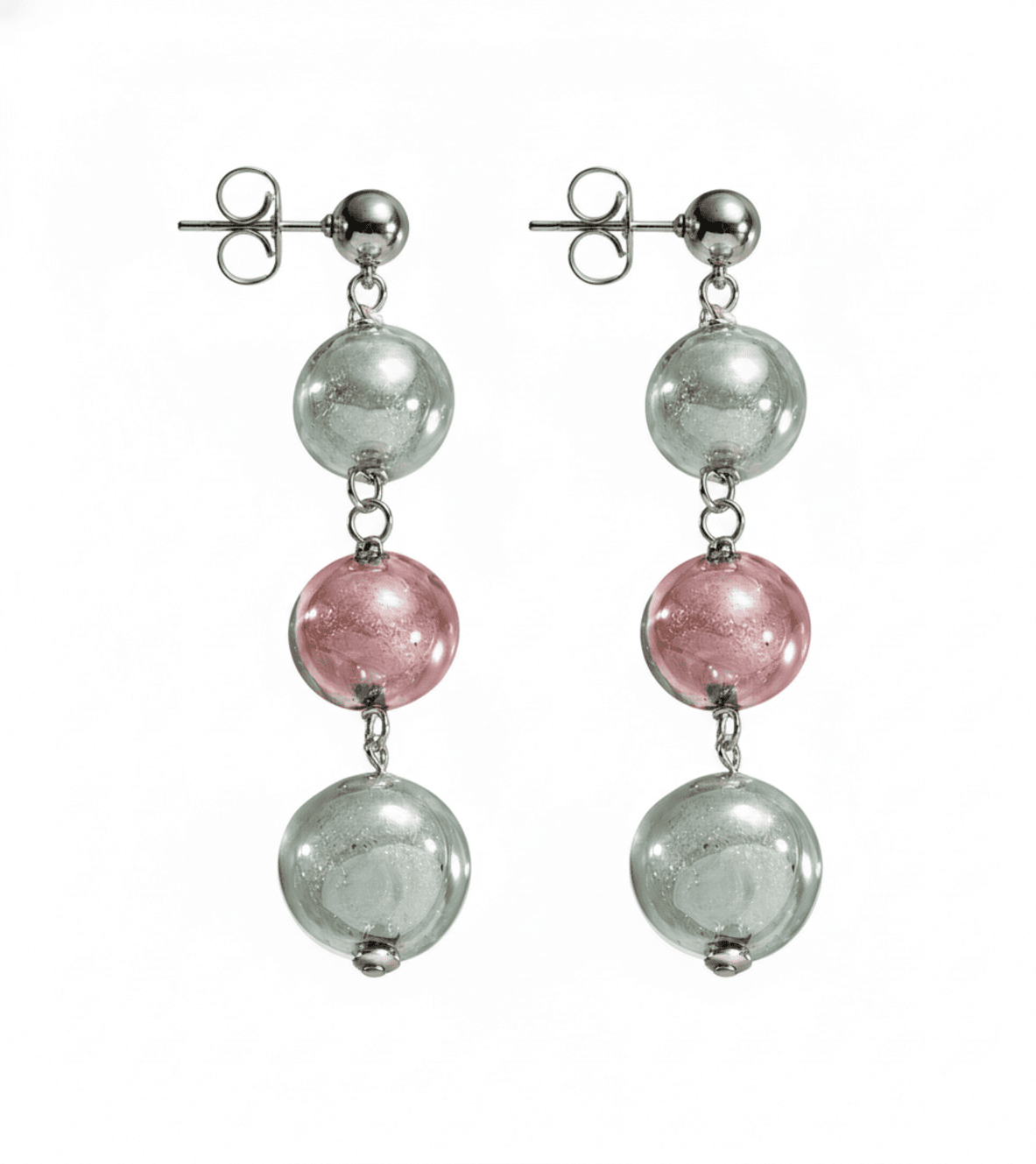
Pastel Garden Earrings
80,00 €
Discover handmade Murano glass jewellery
Sources & further reading
Glassmaking in Renaissance Venice: The Fragile Craft
The relationship between Renaissance glass technology, regulation, markets and the organisation of workshop labour.
Fondamenta dei vetrai: lavoro, tecnologia e mercato a Venezia tra Sei e Settecento
Specialist social and economic study of Venetian glassworkers, technology and markets in the seventeenth and eighteenth centuries.
The historical craft term gastaldo and its institutional meaning.
Archival method, firms, export values and trade routes; the evidence linking some Venetian bead exports to Atlantic systems that included slavery.