Murano Glass: A Historical and Technical Reader · Episode 6 of 6
Murano Glass, Part VI: Revival, Design and Living Tradition
Murano glass is often presented as a tradition passed intact from the Renaissance to the present. The historical record suggests a more interesting story: periods of difficulty, deliberate revival, new institutions and designers who treated inherited techniques as material for change. This final episode follows that history from the nineteenth century to the present, and asks what a mark of origin can—and cannot—tell us.
Revival is a historical process
The Museum’s account of the 1850–1895 revival describes renewed interest in historic techniques during a period of economic and political change. Makers, antiquarians and collectors helped recover, reinterpret and promote older forms. The result was not a simple return to an unchanged past: the revival responded to contemporary markets and to new ideas about Venetian identity.
Institutions also helped make the past visible. The Glass Museum was founded in 1861, and the Abate Zanetti school opened in 1862. A museum organises objects into a history; a school gives knowledge a place to be taught and renewed. Neither is a neutral window onto the past, but together they became part of how Murano’s craft was preserved and presented.
Modern design works with tradition
In the twentieth century, designers collaborated with glassworks to explore how familiar techniques could produce new visual effects. The Metropolitan Museum catalogues Carlo Scarpa’s Venini piece Rigati e Tessuti, no. 3976, made around 1942. Its coloured rods reinterpret mezza filigrana as a modern linear pattern. This is one documented object, not a summary of all Murano design, but it shows how technical knowledge could support invention as well as continuity.
The distinction is useful when looking at a contemporary piece. A historic technique may be carried forward, modified or combined with newer design choices. Calling something traditional should invite a closer question—what knowledge and process does it carry?—rather than imply that every form or recipe has remained identical for centuries.
What the Murano mark certifies
The Vetro Artistico® Murano mark was established under Veneto Regional Law 70/1994. The Veneto Region and the Promovetro consortium describe it as a collective mark for artistic glass made on Murano according to the relevant production requirements. It is a practical way to check a declared island origin; it does not automatically establish the maker, date, artistic merit or market value of every object.
That distinction joins the six episodes of this series. Place, materials, techniques, labour and commerce all contribute to the history of Murano glass, but no single label can replace careful looking and reliable documentation. Start again with the first episode on the island and its furnaces, or continue to explore the pieces in our collection with these questions in mind.
Contemporary Murano glass from our collection
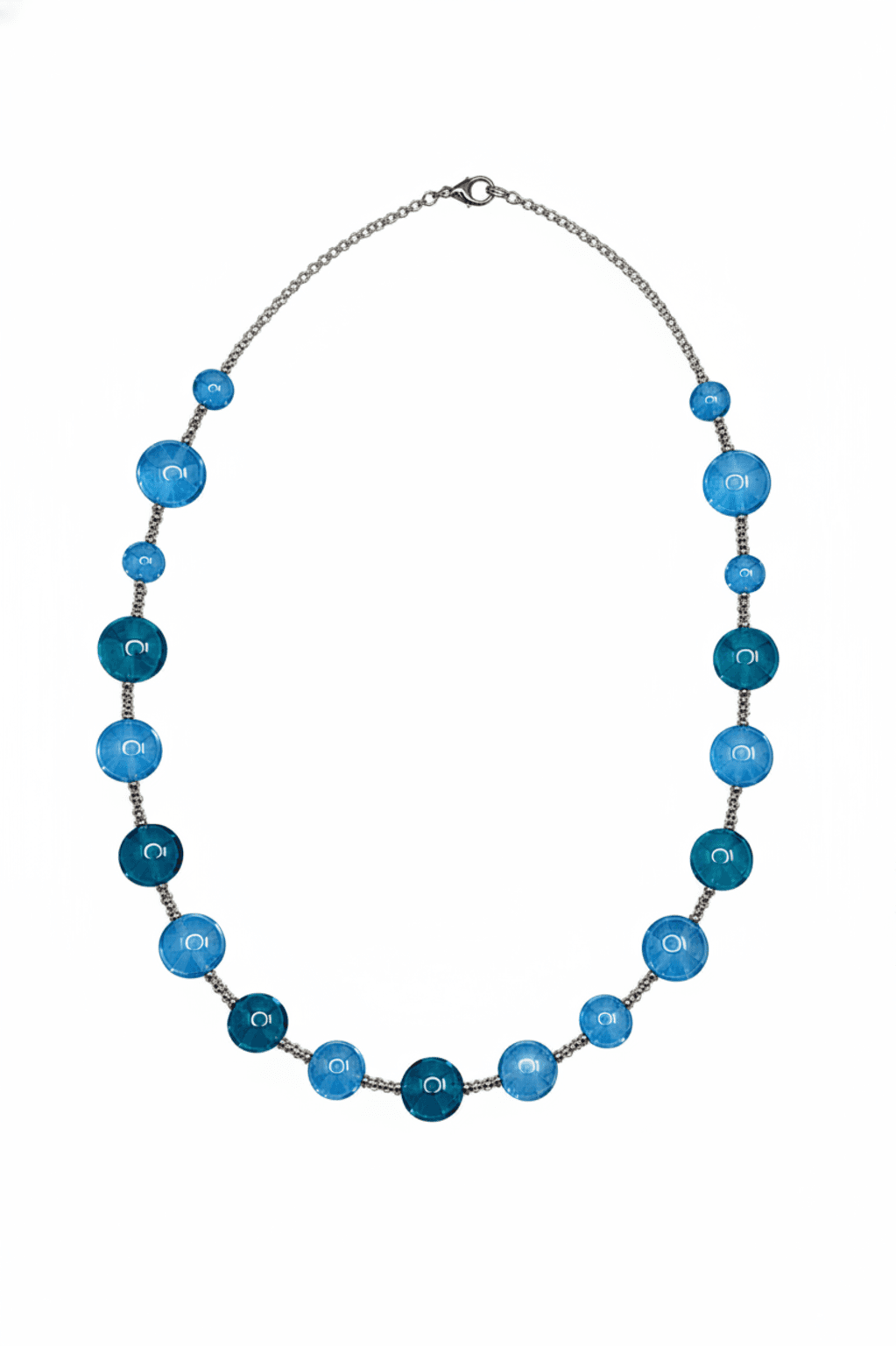
Starry Night Necklace
100,00 €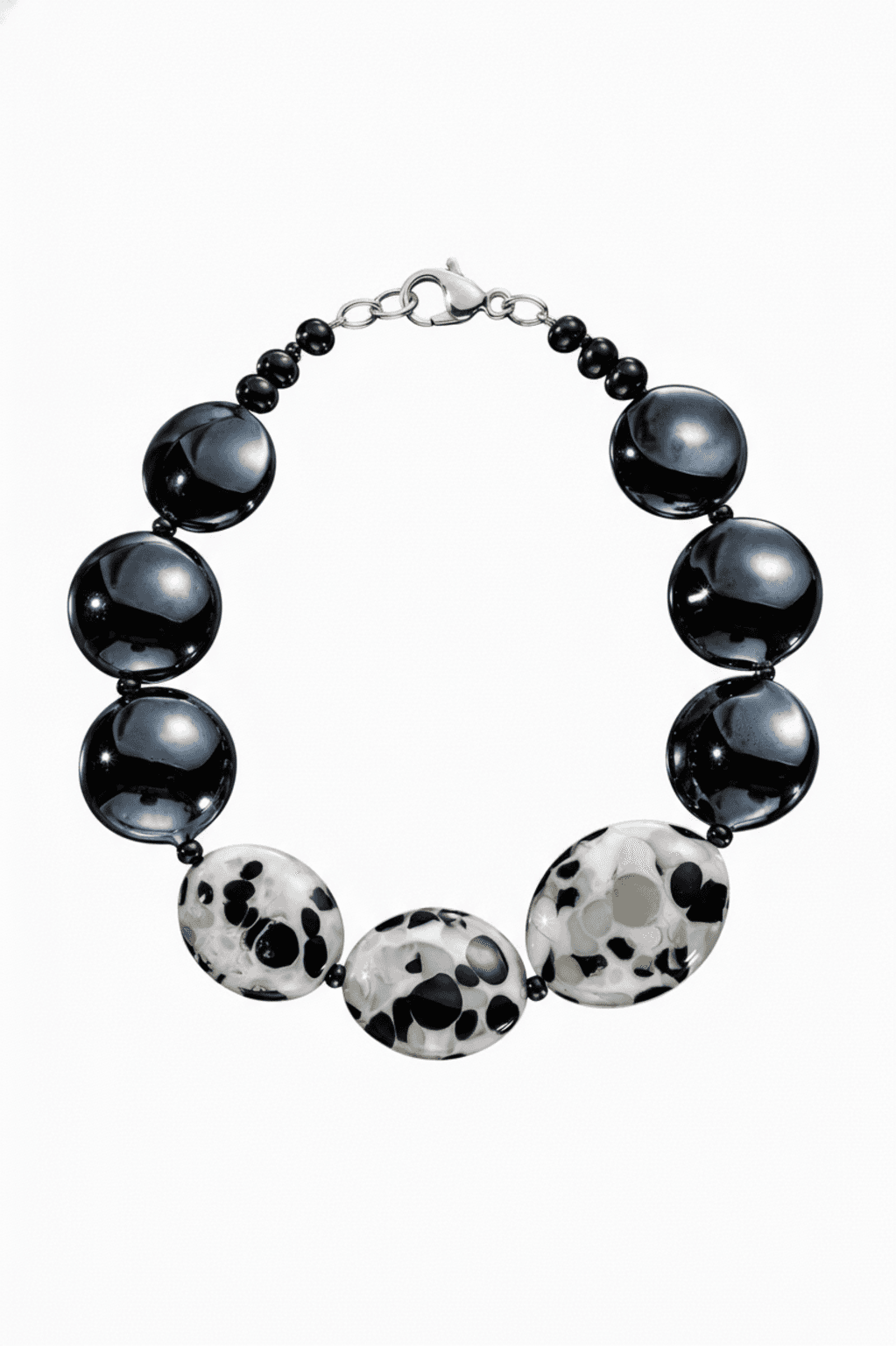
Onyx Blossom Bracelet
80,00 €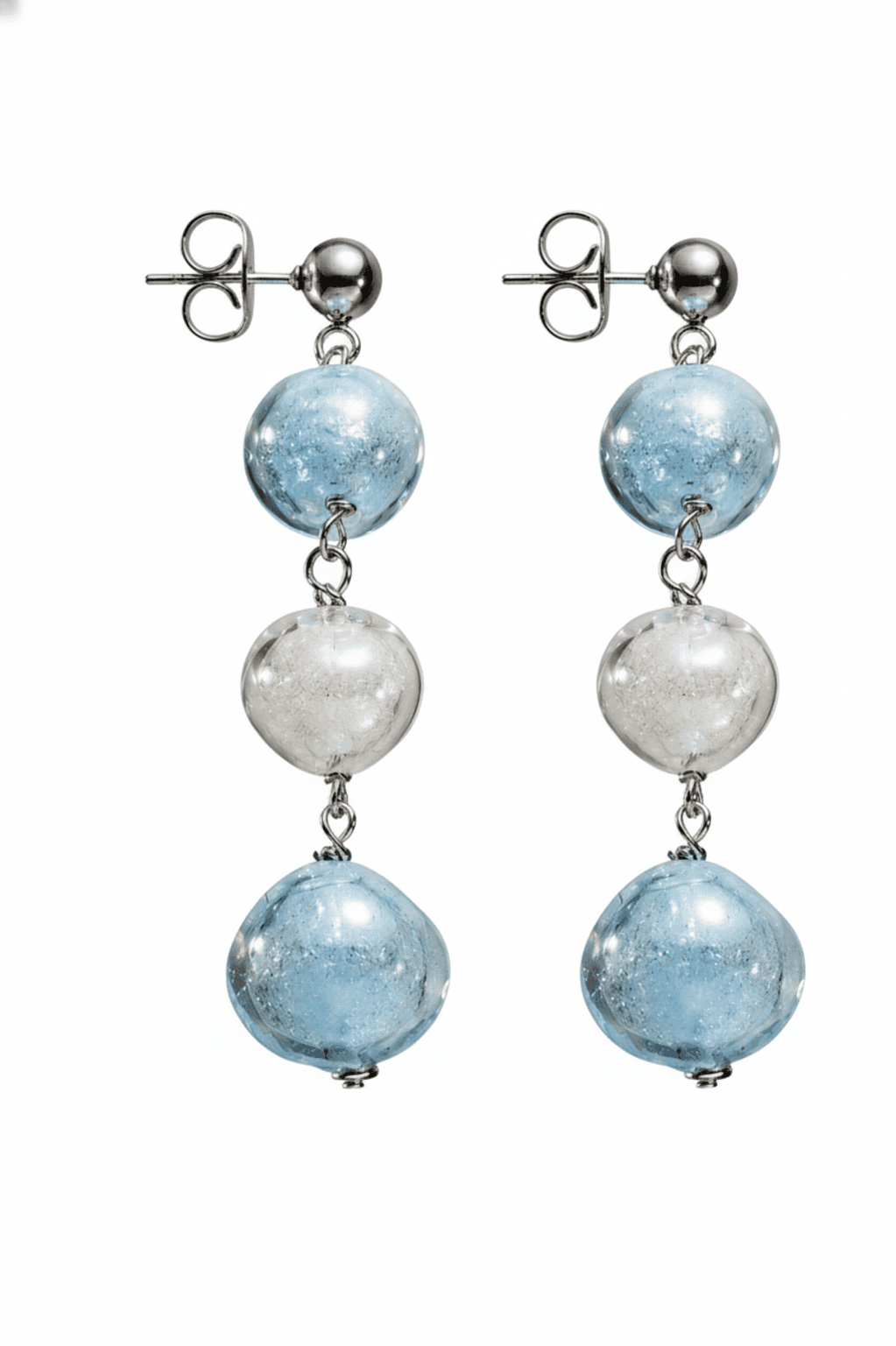
Ice Drop Earrings
80,00 €
Sources & further reading
The museum’s 1850–1895 chronology and its account of nineteenth-century revival, makers and historic techniques.
The founding of the Glass Museum in 1861 and the Abate Zanetti school in 1862.
Carlo Scarpa: Rigati e Tessuti, no. 3976
The Metropolitan Museum’s catalogue record for Carlo Scarpa’s Venini Rigati e Tessuti, no. 3976, dated around 1942.
The Vetro Artistico® Murano mark
The collective origin mark’s stated purpose and production requirements; the article distinguishes these from appraisal.
The regional description of the Vetro Artistico® Murano mark and its legal basis in Veneto Regional Law 70/1994.